Blog

Repair, Recalibrate, or Replace? How to Manage Aging Industrial Scales

In any busy industrial or manufacturing facility, weighing scales are the silent workhorses of the operation. From checking incoming raw materials to verifying packaged goods before dispatch, precise weight measurements directly protect your profit margins, operational safety, and legal compliance.

However, heavy daily usage, harsh factory washdowns, and continuous heavy loading take a toll over time. Eventually, every plant manager or chief engineer faces a critical commercial decision when an aging piece of weighing equipment starts showing signs of wear or inaccuracy: Should you repair it, recalibrate it, or replace it entirely?

Making the wrong choice can either lead to wasted capital expenditure or ongoing operational downtime. This practical guide outlines a clear framework to help you manage aging industrial weighing scales cost-effectively while keeping your operations fully compliant.
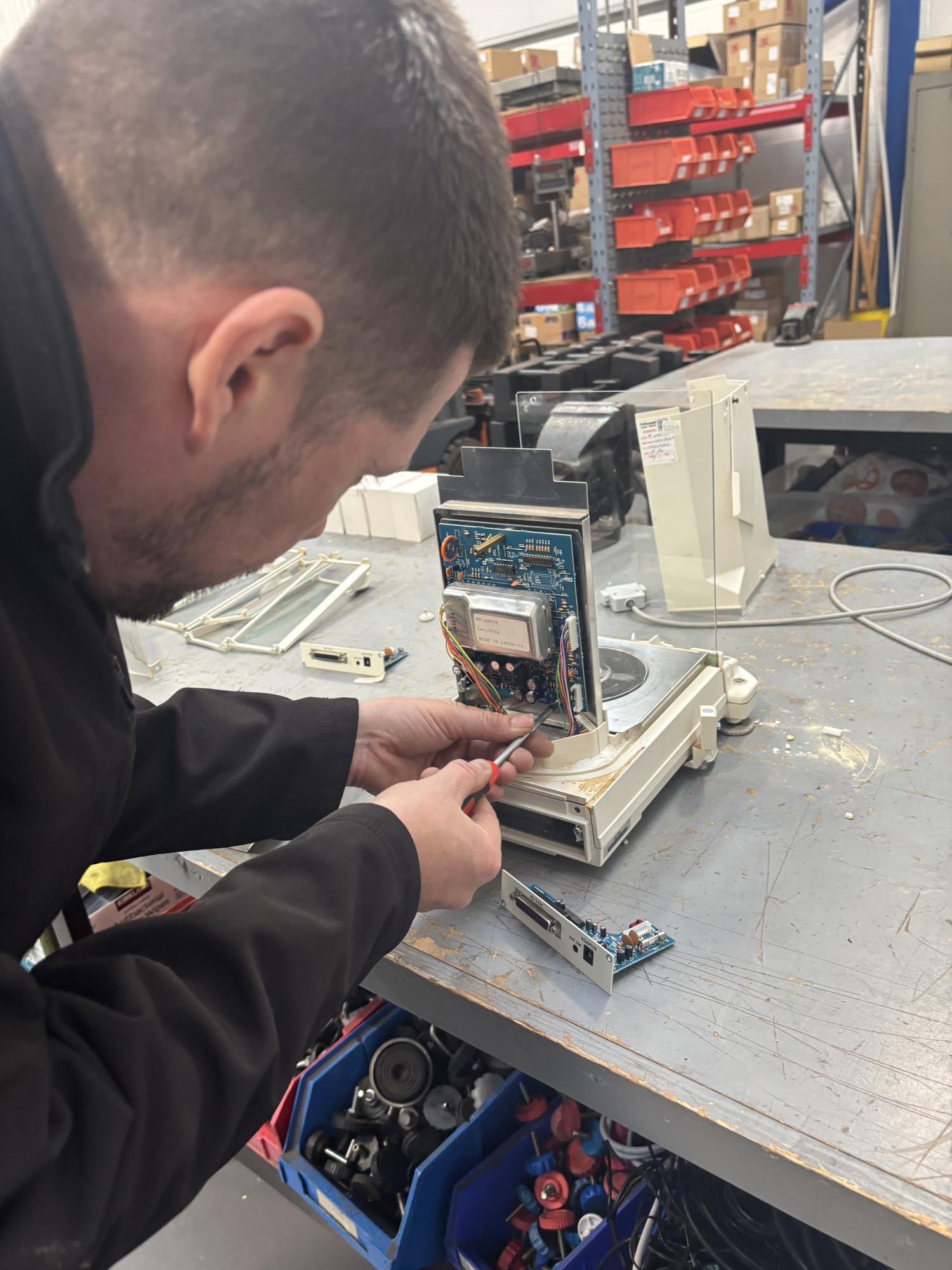
Step 1: Diagnosing the Root Cause of Inaccuracy

Before deciding on an action, it is essential to determine whether the scale is experiencing a simple operational drift or a structural mechanical fault.

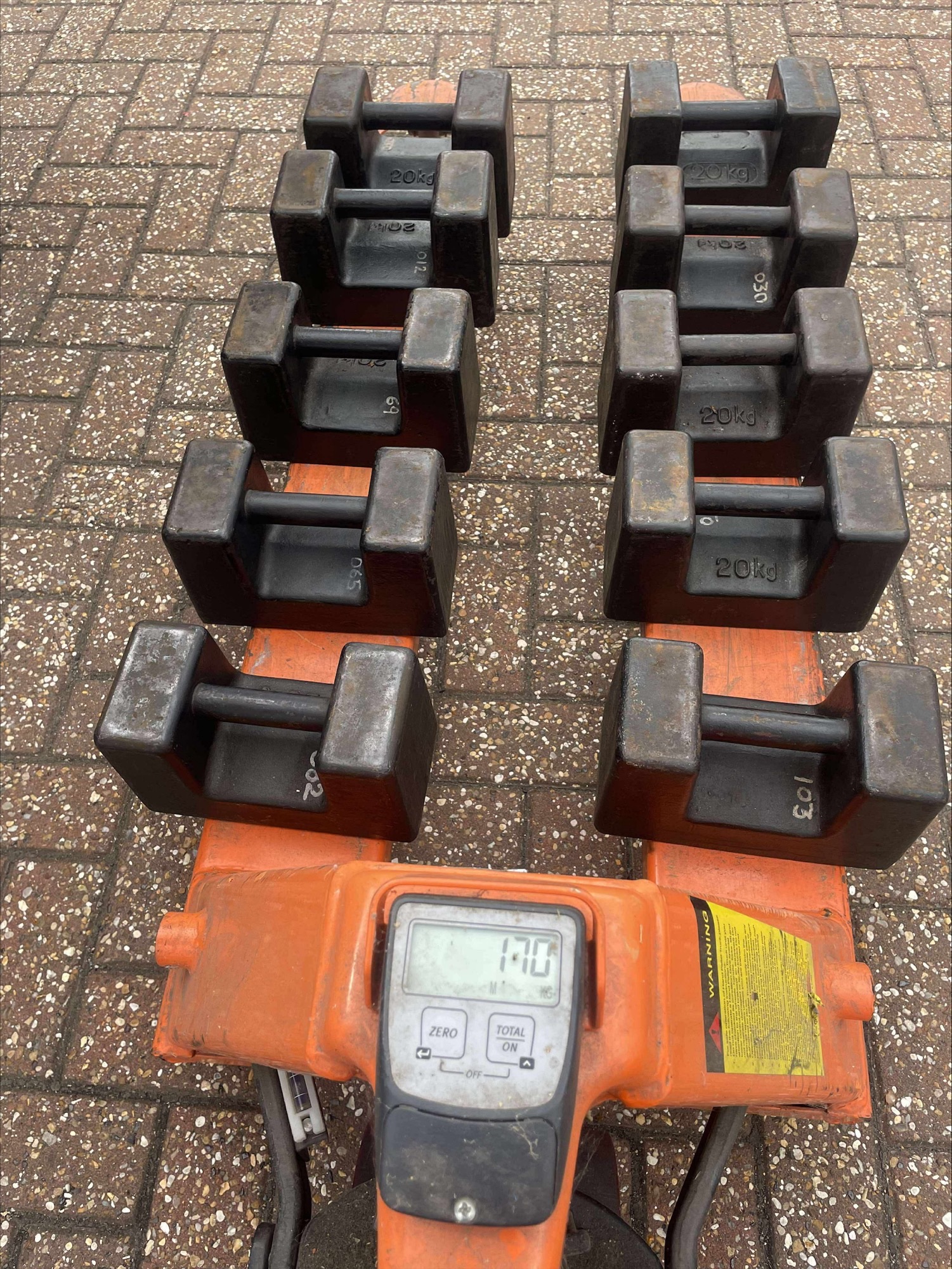
  • When Recalibration is the Answer: Over time, all precision scales naturally experience 'drift' due to ambient temperature shifts, minor physical vibrations, and general day-to-day use. If the scale’s physical structure, load cell, wiring, and digital display are undamaged, but the readings are consistently off by a predictable margin across the capacity range, a straightforward calibration and adjustment using certified reference weights will usually bring the device back to peak performance.
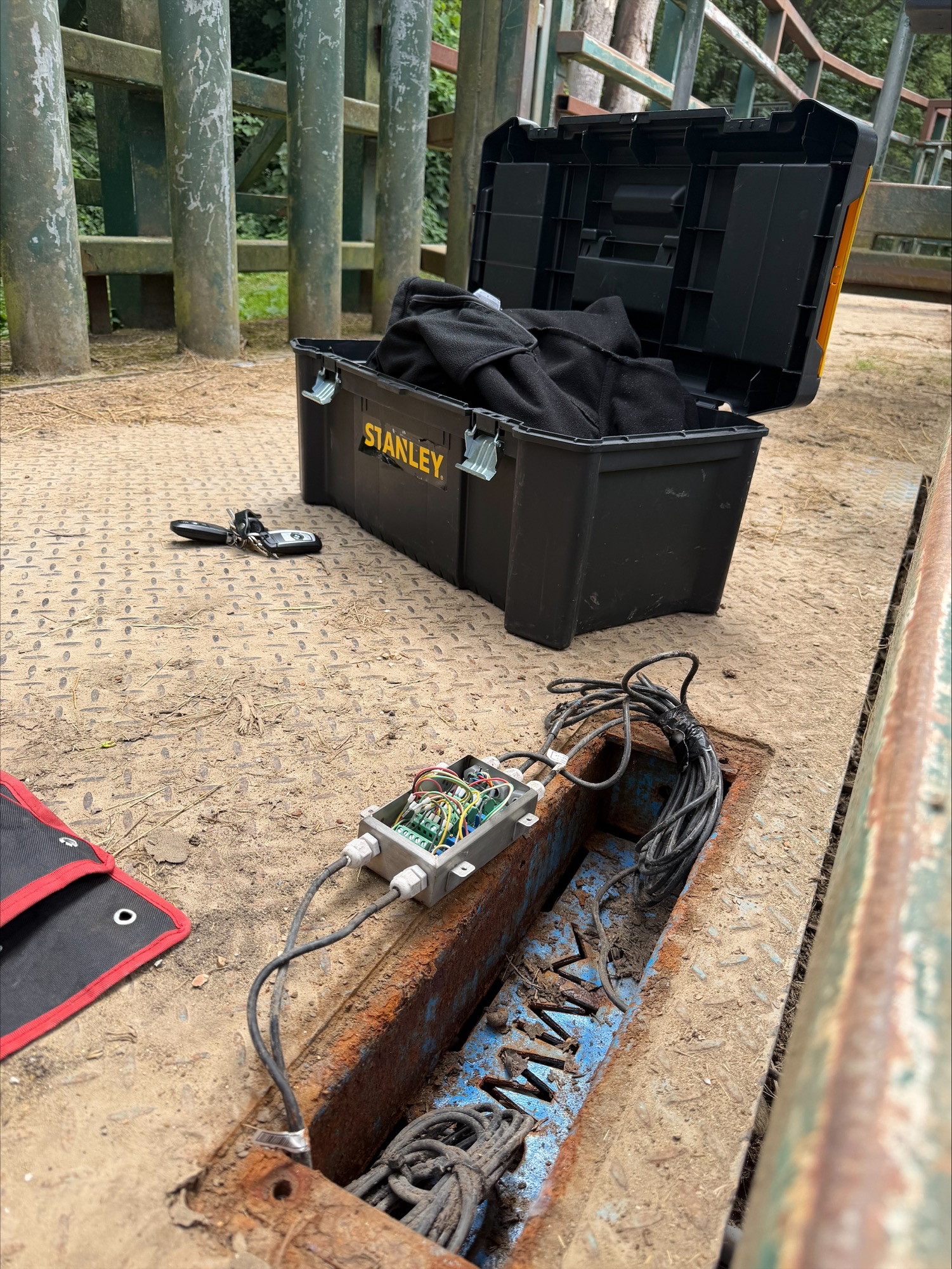
  • When Repair is Required: If the scale shows inconsistent, jumping readings, fails corner-load repeatability tests, or displays physical damage (such as corroded cabling, cracked junction boxes, or damaged load cells), simple recalibration will not solve the issue. The physical or electrical component causing the fault must be repaired or replaced first.

Step 2: The Decision Framework – Evaluating Your Options

1
Option A: Recalibration (The First Line of Defence)

Recalibration is the most economical and non-invasive option. Routine calibration should be part of every facility’s preventative maintenance schedule.

Best suited for: Scales that are structurally sound but overdue for their annual or bi-annual compliance audit.

Key Advantage: Fast on-site execution with minimal interruption to production lines, complete with full digital certification for compliance.

2
Option B: Component Repair (Restoring Value Responsibly)

Repairing industrial scales is often far more cost-effective than buying new equipment—and it aligns strongly with corporate sustainability goals by keeping durable equipment out of waste streams.

Best suited for: High-value industrial equipment—such as heavy-duty floor scales, weighbridges, or specialized counting scales—where the frame and platform remain robust, but a specific sub-assembly (e.g., a single load cell or display indicator) has failed.

The 50% Rule: A helpful industry benchmark is the '50% Rule'. If the cost of the repair exceeds 50% of the price of a brand-new, equivalent scale, it is usually wiser to invest in a replacement.

3
Option C: Replacement (Knowing When to Upgrade)

There comes a point where continuing to patch up an old scale creates unacceptable operational risks.

Best suited for equipment when:

  • Replacement parts are obsolete or increasingly difficult to source.
  • The scale’s IP rating (ingress protection) has degraded, allowing water or dust to repeatedly damage electronics.
  • Frequent breakdowns are causing costly production line downtime that far outweighs the cost of a new unit.
  • Modern features—such as automated data logging, USB/Ethernet integration, or improved energy efficiency—are required to meet updated operational demands.

Quick Decision Matrix

Symptom / Scenario
Recommended Action
Primary Benefit
Readings are slightly off, but equipment is structurally sound and consistent.
Recalibrate
Restores legal compliance & accuracy quickly.
Isolated fault (e.g., damaged cable, worn feet, faulty display) on a high-value frame.
Repair
Saves capital cost and extends equipment lifespan.
Repeated component failures, obsolete parts, or severe physical corrosion.
Replace
Eliminates unexpected downtime & improves technology.
Preparing for an upcoming ISO or BRC compliance audit.
Recalibrate & Service
Provides traceable certification & peace of mind.

How Oakleyweigh Helps You Manage Your Weighing Assets

At Oakleyweigh, we believe in providing honest, practical advice that puts your operational needs first. Originally founded over 75 years ago on repairing and recalibrating damaged scales that were deemed out of specification, sustainability and equipment longevity remain core priorities for our business.

We don't simply push new sales. Our mobile technical team offers free repair estimates and honest assessments of your existing equipment. If a scale can be economically repaired or recalibrated on-site to restore full accuracy, we will fix it. If replacement is the only logical choice, we supply trusted, industry-leading brands such as A&D, Ohaus, and Adam Equipment to fit your exact budget and requirements.

Get Expert Advice on Your Industrial Scales

Not sure whether your aging scales need a simple recalibration, a repair, or a modern replacement? Let our experienced technicians help you evaluate your equipment.

Speak to Our Team Today
whatsapp
Back To Top